

The 2026 wildfire season is one of the most active Canada has seen in years, with hundreds of fires still burning across British Columbia and Alberta this August. Every one of those fires that gets contained rather than fully extinguished carries a risk into next year: a "zombie fire" that keeps smouldering underground through winter and resurfaces in spring. This is the decision forestry and emergency response teams face now, before the snow falls: patrol proactively for holdover fires, or wait and respond after they reignite.
What Are Zombie Fires?
Zombie fires, also called holdover fires, are underground blazes that continue burning through organic matter beneath the surface after a wildfire is declared out. They produce little to no visible smoke or flame, which is exactly why they go undetected through winter and catch crews off guard when drier spring conditions let them resurface.
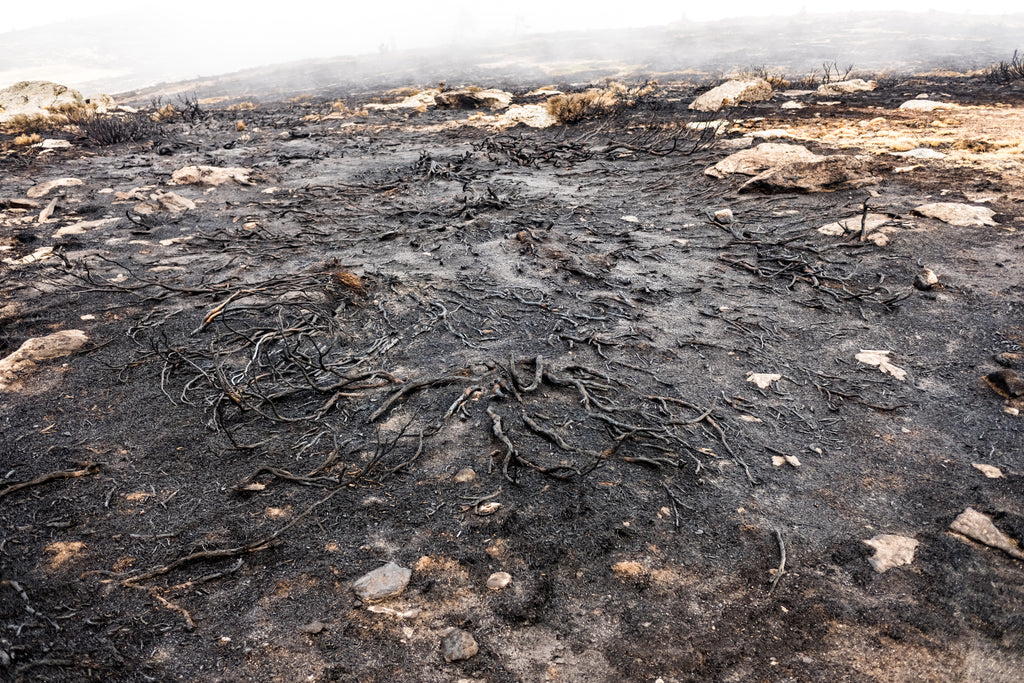
Why Zombie Fires Are a Growing Concern in Alberta and B.C.
Every large fire season leaves behind more ground that can hold a zombie fire through the winter that follows. As of mid August 2026, Canada has already recorded close to 4,800 fires and over 4 million hectares burned this season, with dozens of fires still out of control nationally. Prolonged drought and low snowpack across the Southern Interior and parts of the Coastal region have kept fire activity elevated through the core of the season. Fires that end this fall in these same drought stressed areas are the ones most likely to become next spring's zombie fires.
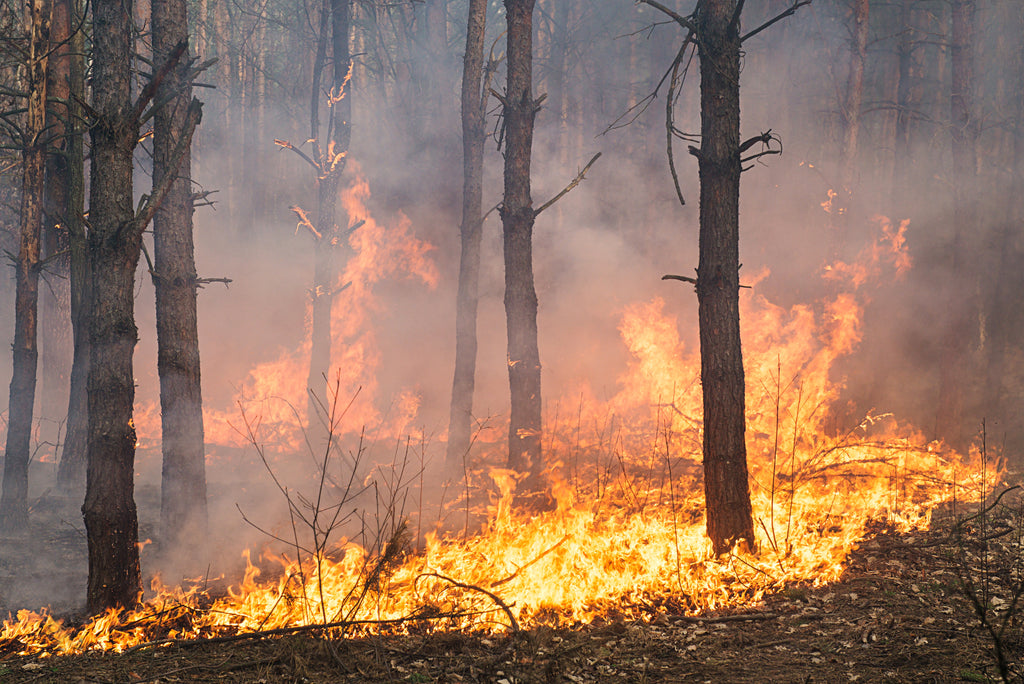
How Field Teams Locate Zombie Fires
Zombie fires are found through a combination of ground patrols and aerial surveillance, timed for favourable weather conditions. Ground crews look for warm patches, dead vegetation dying back unexpectedly, or faint heat coming off the snowpack. Air patrols cover far more ground in far less time, using thermal imaging to pick up heat signatures that are invisible to the naked eye. For teams responsible for post fire monitoring across large tenure areas, that coverage difference is the whole decision: how much ground can actually be checked before spring dryness turns a missed hotspot into a new fire.
A Thermal Detection Mission From the Field
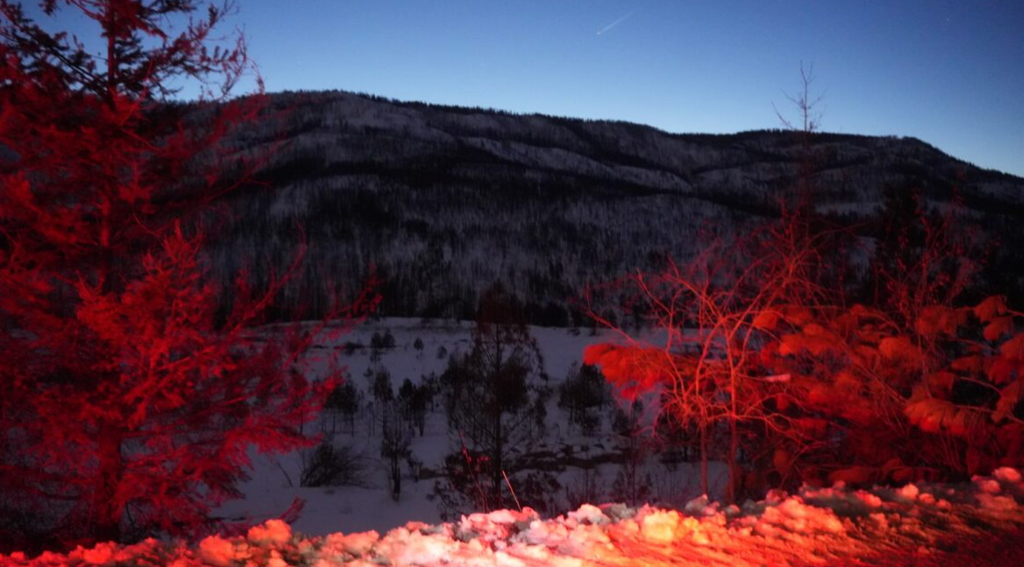
In mid February, the Candrone team ran a zombie fire detection mission on a cold evening, with temperatures sitting around minus 5 degrees Celsius. The target location showed no visible signs of activity on arrival, which is normally where a ground only patrol would stop and move on.
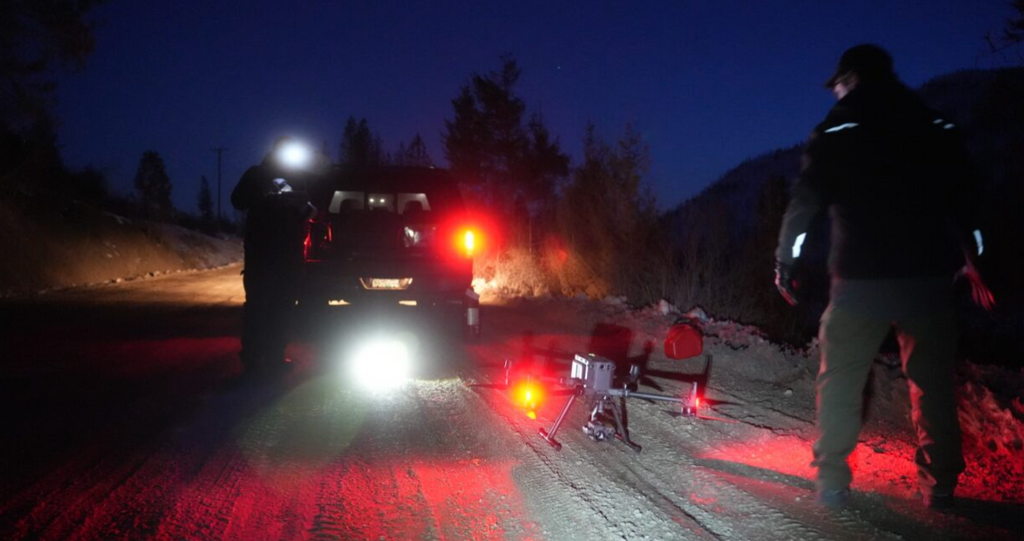
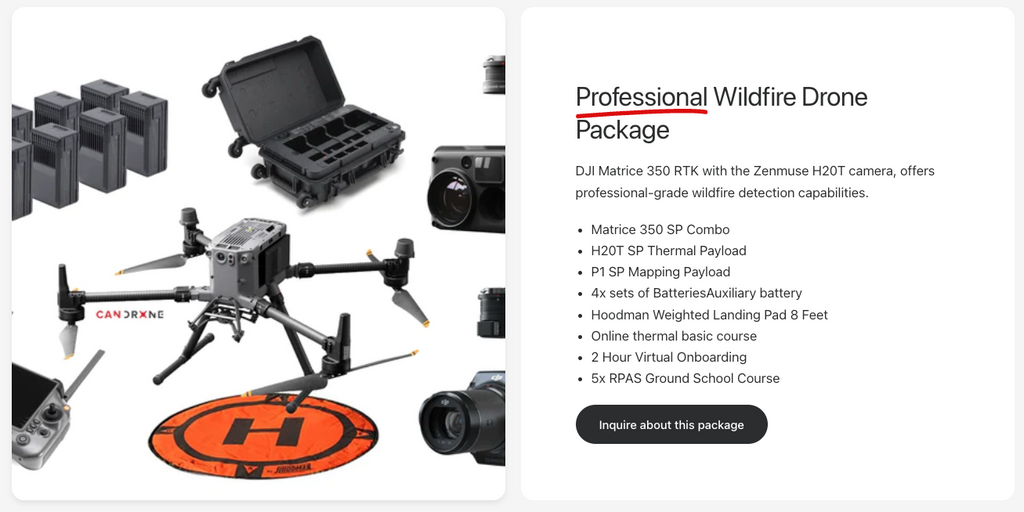
The team flew the site using a thermal payload built for exactly this kind of detection work, paired with the DJI Matrice 350 RTK and a Zenmuse H20T thermal camera, giving them the range and endurance to cover the full site in a single flight.
What the Thermal Data Showed
Thermal imaging found what ground patrols had missed. The flight identified more than 50 active hotspots across an area of over 1.5 kilometres, and the team mapped and inspected the full site in under an hour. That's the core value of aerial thermal detection: it turns a multi day ground search into a single flight, with mapped, geolocated results the same afternoon.
Building a Proactive Zombie Fire Detection Program
The teams that catch holdover fires before spring are the ones who plan post season patrols now, not after the first reignition report comes in. A proactive program usually comes down to three decisions:
- Coverage: which burned or drought stressed areas from this season need a thermal pass before snow makes access difficult.
- Equipment access: whether to add a thermal platform to your fleet or bring in additional capacity through rental for the post season patrol window, without committing to a full purchase before you know your ongoing volume.
- Operator readiness: whether your team is trained to fly and interpret thermal data confidently, which is what Candrone Academy training is built around, not just certification paperwork.
Frequently Asked Questions
What causes a zombie fire?
Zombie fires typically start from a large wildfire, or lightning strike, that leaves organic material burning underground after the visible fire is declared out. Dry underbrush and drought conditions from the preceding summer make this more likely.
How long can a zombie fire smoulder before reigniting?
A holdover fire can smoulder underground for months, through an entire winter, and resurface once spring conditions dry out the surface enough to support open flame again.
Can zombie fires be detected before spring?
Yes. Thermal imaging drones can detect heat signatures from underground burning even when there is no visible smoke, which is why aerial thermal patrols through late winter are the most reliable detection method available.
What is the advantage of a drone over a ground patrol for this kind of detection?
A thermal equipped drone covers significantly more ground in less time, and it can map exact hotspot locations for follow up crews, rather than relying on a ground crew's ability to spot a warm patch by hand.
Speak to Experts about Forest Fire detection drone packages